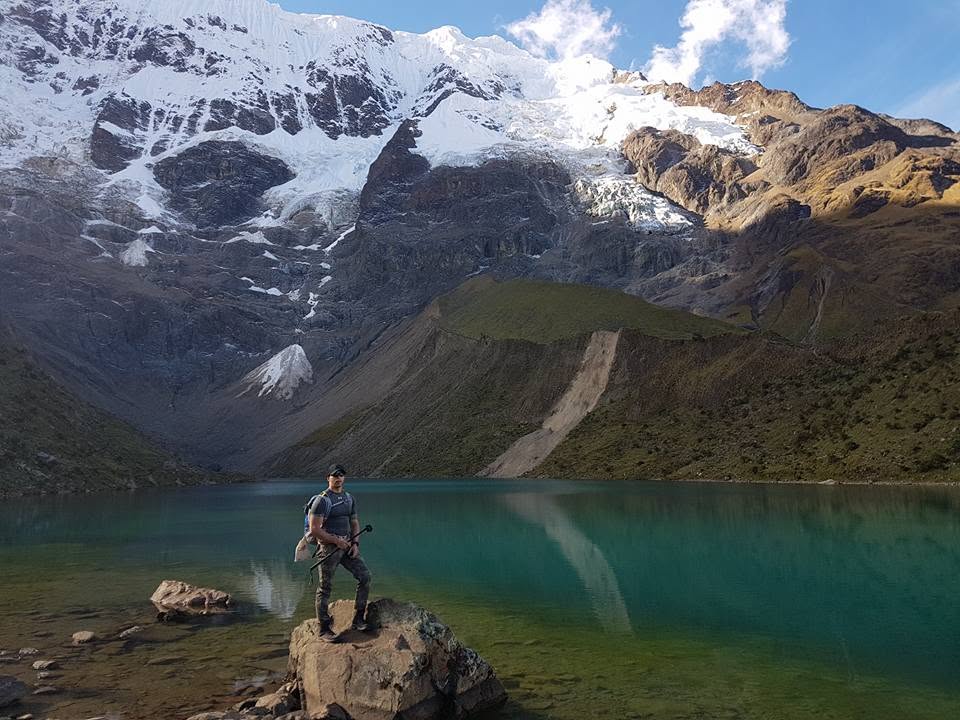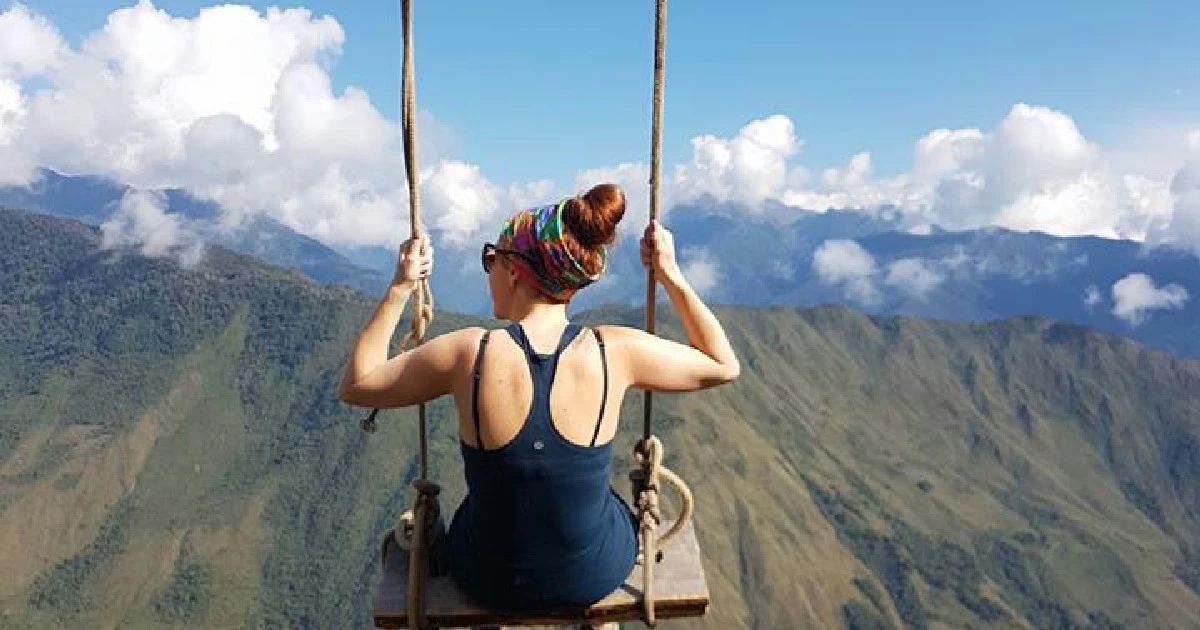
From snow-capped passes at 16,000 feet to jungle domes and a proposal under the stars, I discovered why the Salkantay Trek is called the "Savage Mountain" route to Machu Picchu.
Peru had been calling to us for years. My wife Sarah and I wanted more than the postcard version of this country. We wanted to feel it in our legs, our lungs, and our bones. So we committed to the Salkantay Trek, a five-day, 120-kilometer journey through some of the most dramatic terrain I've ever experienced. This wasn't about checking off a famous site. It was about earning it.
Our trip began with a flight from Toronto to Lima, then on to Cusco, where the first surprise hit us immediately: it was really, really cold. We spent that first day letting our bodies adjust, wandering through Plaza de Armas in the old city core and getting oriented before heading to the Salkantay office to finalize our trek details. The next morning, we were up before dawn for a Sacred Valley tour, stopping at Pisac to explore the archaeological site. The grand scale of those ancient farming terraces was insane, absolutely massive, and a preview of the ingenuity we'd encounter throughout the journey.
Into the Mountains
Day three brought a four-hour bus ride from Cusco to Challacancha, where the real work began. That first day alone was a 20-kilometer hike to Salkantay Sky Camp. We pushed ourselves up to Humantay Lake just to get our bodies accustomed to the altitude, then settled in for the night between the mountains, sleeping in a valley among the stars. That night, at that camp, I proposed to Sarah. It will always be a special place for us.
The second day of the trek was 22 kilometers that took us through the Salkantay Pass at 16,000 feet. We passed through places like Soraypampa, Salkay Pampa, and the Trail of the Seven Snakes before descending to Chaullay. They call this the "Savage Mountain Trek" for good reason. We had to take medication to prevent altitude sickness, and every single step felt like running a marathon. Your body doesn't understand why it can't breathe properly. It's one of the hardest things Sarah and I have ever done.
What struck me most was how the ecosystems kept changing. We started in mountainous terrain, climbed through snow-covered peaks, and then descended into jungle. The temperature swings were extreme, from freezing cold to warm and humid within hours. Day three brought a 19-kilometer hike down through a valley into Lucmabamba, where we slept in jungle domes. That night, a massive Brazilian wandering spider showed up in our camp, which caused some excitement. We also found time to soak in the hot springs nearby, which our legs desperately needed.
The Final Push
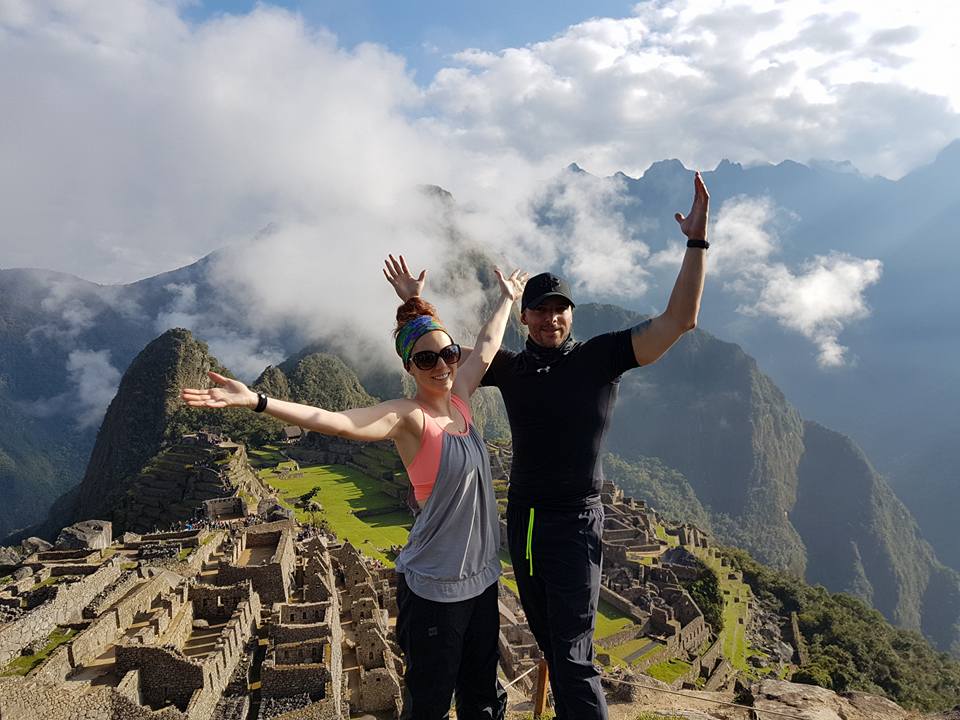
Day four was another 22-kilometer stretch from the jungle domes to Aguas Calientes, where we finally slept in an actual hotel. And on day five, we hiked up to Machu Picchu itself. Scaling those paths on the sides of the mountains, I kept thinking about how these same trails were used thousands of years ago as the main route to this ancient city. Walking where those people walked, feeling what they felt, that connection was profound.
After the trek, we explored more of Peru. We saw the Nazca Lines, visited the desert oasis of Huacachina where we sandboarded down dunes, and ended our trip in Lima with a boat tour where we swam with sea lions in freezing cold water. The Peru Hop bus became our home for stretches of the trip, letting us sleep while traveling and spend our days exploring from start to finish.
Who This Is For
This trip is for adventurous travelers with a solid fitness base and no major health issues. If you have mobility challenges or can't handle significant physical exertion, I'd recommend experiencing Peru differently. There's just so much to do here, from the Nazca Lines to the historic areas of Cusco, that doesn't require a 120-kilometer trek. But if you're someone who craves that challenge, who wants to earn your arrival at one of the world's most remarkable places, this is it.
I now understand Peru in a way I never could have from reading about it online. The altitude, the ecosystems, the temperature swings, the sheer physical demand. I can speak with confidence about what it takes to prepare for this country, and I can help travelers build itineraries that match their comfort level and sense of adventure. Peru gave me one of the best experiences of my life, and I can't wait to help others find their own version of that journey.