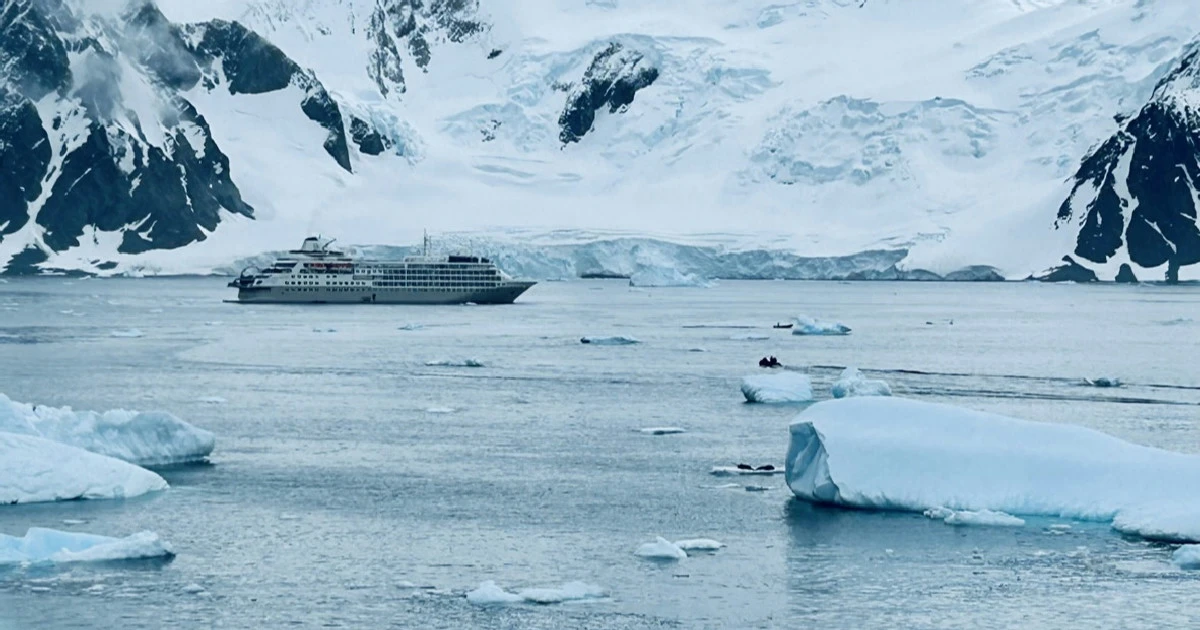
A 12-night Antarctic expedition taught me that Antarctica isn't a cruise. It's an immersive encounter with nature at its most raw and unpredictable.
I've experienced luxury river voyages and ocean sailings. But Antarctica? That was something entirely different. It's a destination that is so remote that your itinerary changes with the ice floes and weather patterns.
One of the first things our expedition guide explained was that this wasn't a cruise, it was an expedition. There was no set schedule, no fixed itinerary. Every day, the team examined maps, studied weather reports, tracked icebergs, and decided where conditions would allow us to go. That unpredictability became the heart of the experience. We actually added to existing maps because we entered a bay that hadn't been accessible before. I learned quickly that on expeditions like this, you might visit places no human has ever been.
My favourite memory happened far out from the ship in a zodiac, surrounded by floating ice. I heard the distinctive sound of a whale's blowhole. When I looked toward the noise, a mama humpback whale appeared from behind an iceberg, her baby swimming alongside her. They moved directly toward our group, gliding beneath one of the other zodiacs before surfacing on the opposite side. For ten minutes, we watched them circle through the bay, close enough to hear every breath through their blowholes, every splash of their fins against the water. Being so remote, with so few people, just being right there with those whales. It was spectacular in a way I couldn't have anticipated.
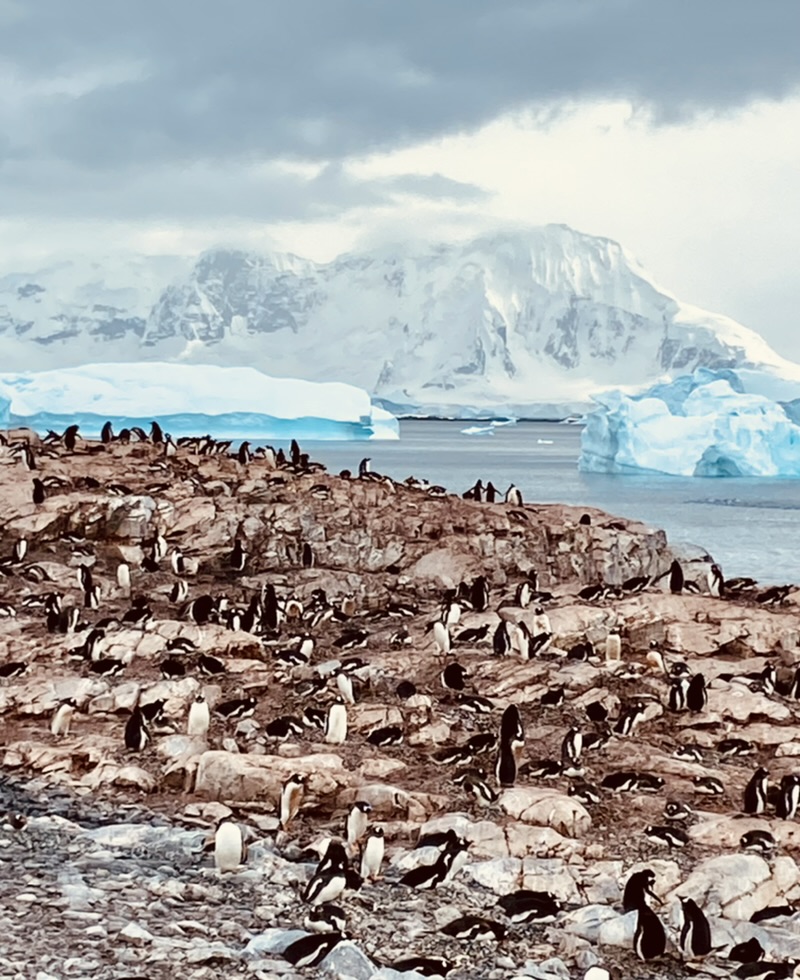
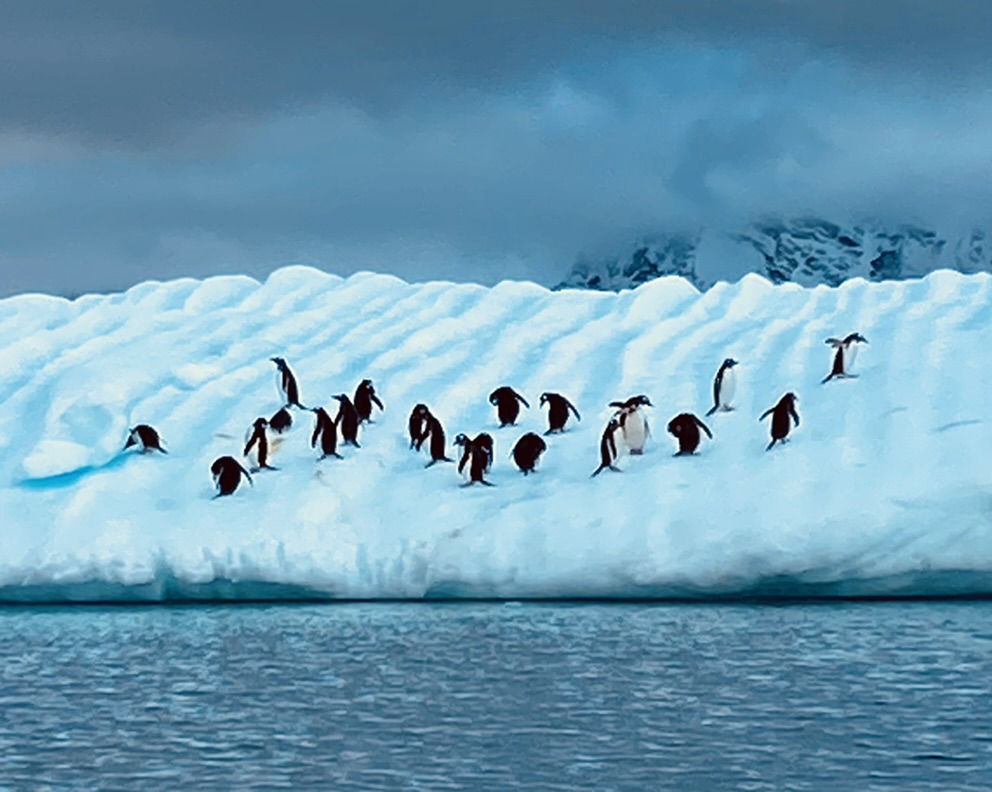
Late at night, I stood on my balcony in a world that barely got dark because of the time of year. The silence was extraordinary, broken only by the ship brushing through water and pieces of ice floating past. The feeling of knowing there are no other people for miles creates a different kind of awareness. And then there were the penguins. I'd always thought of them as awkward, waddling creatures. But watching them in the water transformed my understanding completely. They became graceful, powerful beings, swimming alongside our zodiacs or launching themselves off icebergs as we passed.
What surprised me most was learning how climate change is affecting Antarctica in unexpected ways. It's actually causing more snow. That additional snowfall is disrupting penguin nesting grounds, and some colonies go entire years without any babies because they can't find dry places to nest. This also affects where expedition ships can land, if the penguins are nesting on the water's edge the zodiacs cannot land there. Although floating off shore and watching the penguins swim by was just as fascinating as walking among them.
Our itinerary wasn't scheduled to go south of the Antarctic Circle. But we had the perfect weather window, and the expedition team seized the opportunity. They adjusted our schedule and got us to a place so few people ever reach. I jumped into the ocean south of the Antarctic Circle, which remains one of the most incredible experiences of my traveling life.
This type of expedition is for people who are amazed by nature and want to immerse themselves in a part of the natural world they'd never see any other way. To me it felt almost like summer camp, you spend all day outside exploring the world and experiencing new things and come together at dinner to share your stories. You also have to take into account the physical requirements: climbing in and out of zodiacs, stepping on slippery stones, potentially rough seas. If this kind of adventure is on your list, it's important to do it when you're as able-bodied as possible.
Having experienced this myself gives me insight into helping people set expectations. The whole journey can be unpredictable, sometimes in fabulous ways and sometimes in challenging ways. There are options to see Antarctica on larger ships but to truly experience it and set foot on the continent ship size is very important, it dictates the kind of experience you can have, the places you can visit, and how many opportunities you'll have to explore. These are the details that make the difference between a good experience and an exceptional one, and I'm grateful to know them firsthand.
