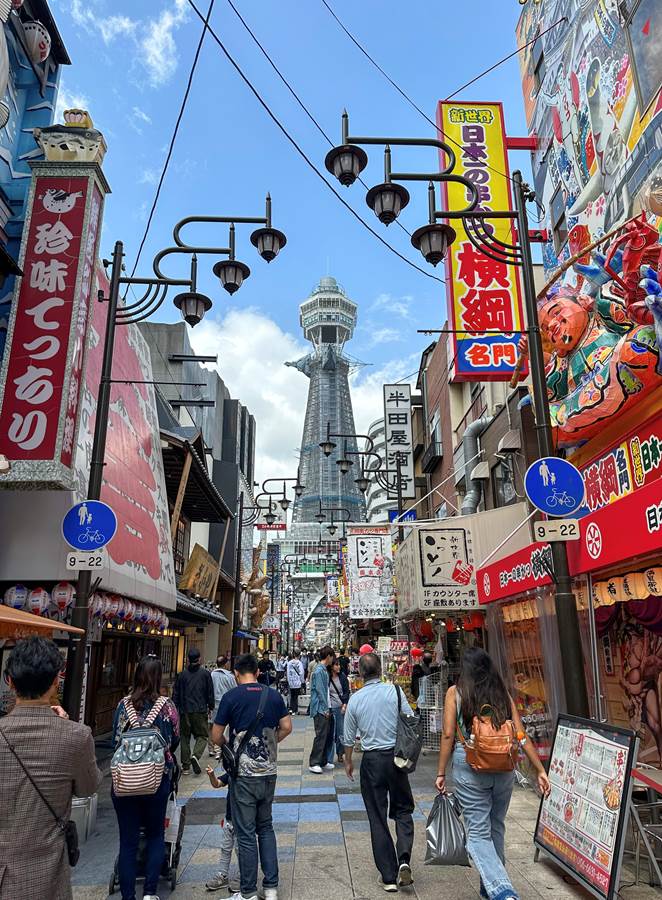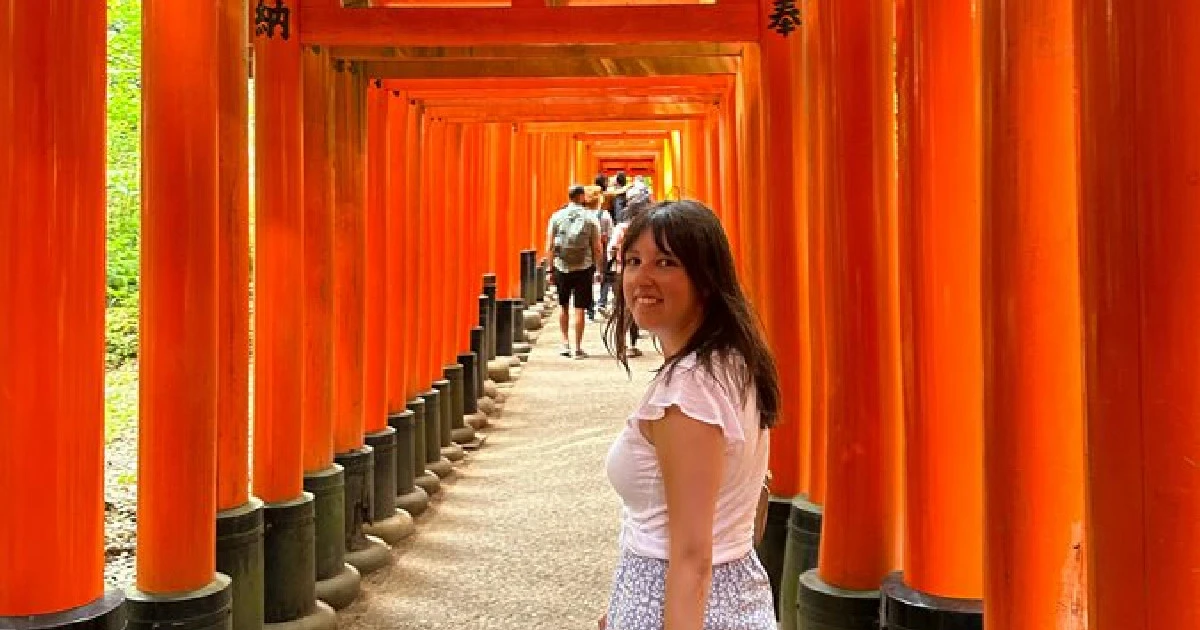
After five weeks based in Osaka, I discovered why choosing the right Japanese city changes everything, and why this vibrant hub deserves a spot on your Japan itinerary.
Japan has always held a special place in my heart. It's my favorite destination, the kind of place that keeps calling me back. This time, I wanted something different. Not a whirlwind tour hitting highlights, but the experience of actually living there. So I planted myself in Osaka for five weeks, unpacked my bags, and set out to discover what daily life in this electric city really feels like.
I timed our visit for May, just after cherry blossom season. This turned out to be the sweet spot I'd hoped for: shoulder season meant comfortable temperatures and manageable crowds. We flew ANA, and I have to say, it was the best economy experience I've ever had. They even served us little tubs of ice cream on the flight, a small detail that set the tone for the thoughtful hospitality waiting for us in Japan.
Discovering Osaka's Rhythms
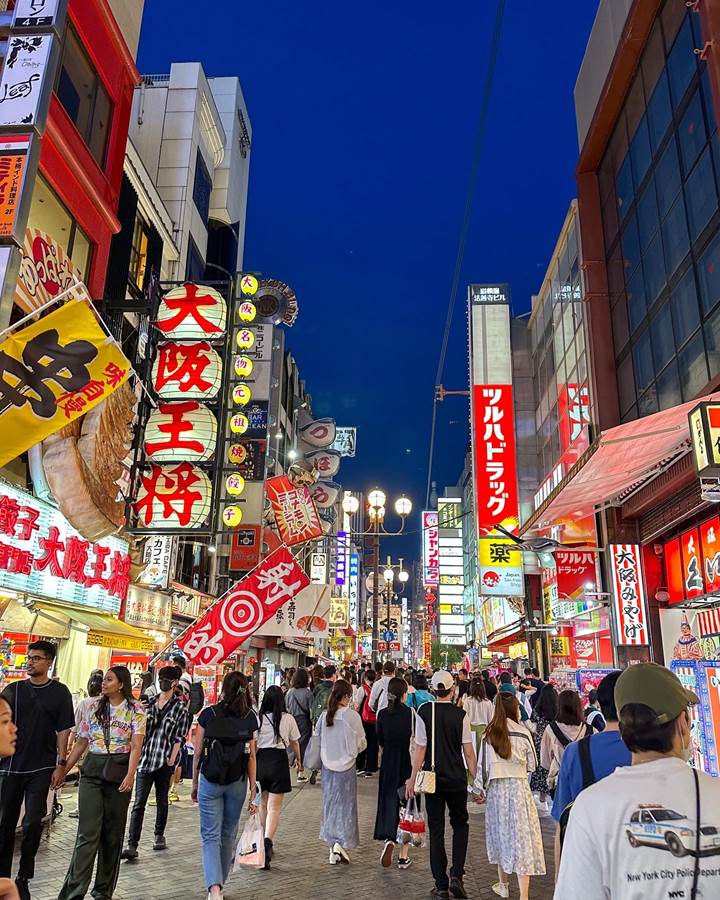
Settling into a neighborhood accommodation transformed everything. Instead of tourist mode, we slipped into local life. We packed our days with Japanese activities: tasting everything we could possibly eat, exploring arcades, familiarizing ourselves with the transit system, and finally checking off a longtime goal of mine, visiting the Osaka Aquarium to see the whale sharks. We even took a bullet train, which still thrills me no matter how many times I do it.
What surprised me most was how much simpler the transit felt compared to Tokyo. Japan's train system is already incredibly easy, but the sheer size of Tokyo's stations and the complexity of multiple lines can feel daunting. In Osaka, purchasing tickets and navigating between the city and neighboring areas felt intuitive and accessible. Here's an insider tip: in most Japanese cities, you want to stay near the main station, but in Osaka, skip Osaka Station and book near Namba Station instead. That's where the true heart of the city beats, and the connections are far better.
One of my favorite moments came during a day trip to Nara, just a short, direct train ride away. After weeks in bustling Osaka, escaping to this smaller town felt like a deep exhale. The deer roam so expansively that you actually get private moments with them, which is rare for such a popular attraction. For lunch, we found a local mom and pop restaurant with just three seats. We sat next to a man who had been coming there for 20 years during his annual commute to Kyoto University, where he'd been a professor. He knew the owner that long. Moments like these, the ones you stumble into rather than plan, are why I travel this way.
Understanding Japan's Cities
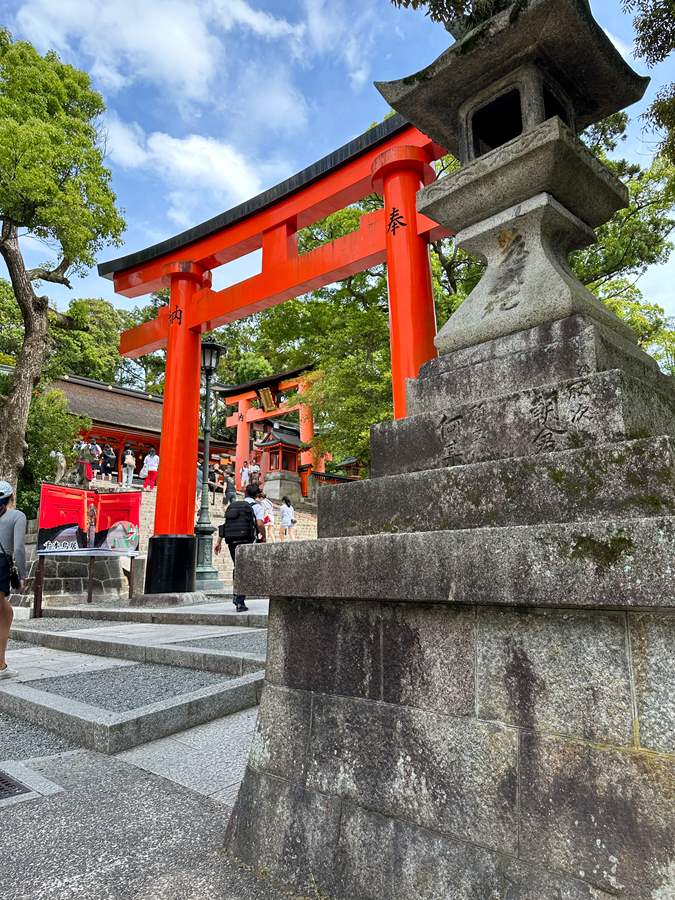
This extended stay opened my eyes to something essential: all of Japan is fabulous, but the city you choose should depend entirely on who you are as a traveler. Tokyo gives you everything Japan offers in one city and makes an ideal arrival and departure point. Kyoto suits history lovers who embrace a slower pace and don't mind crowds. Osaka, I discovered, is entirely different from what I'd assumed. It's entertainment heavy, perfect if you're chasing theme parks or incredible food. But unlike Tokyo, which has distinct neighborhoods offering completely different experiences, Osaka delivers more of the same vibe throughout.
The Osaka area is excellent for young travelers, devoted foodies, and anyone seeking eclectic shopping like retro finds, vintage treasures, or music. It's ideal for those who want big city energy without Tokyo's overwhelming scale. I wouldn't necessarily recommend it for senior travelers or anyone seeking a traditional Japanese experience. What Osaka does brilliantly is serve as a connected hub: it's perfect for ending a trip or as a middle stop before heading south.

What I Bring Back for My Clients
Understanding the character of Japanese cities, something you can't grasp from maps or articles alone, now shapes how I plan every Japan itinerary. The neighborhoods I'd suggest for families differ completely from where I'd place solo travelers or younger adventurers. This is knowledge you can only earn by walking the streets yourself.
I'm already planning my return: five weeks over December and January, starting in Tokyo before heading to Nagano for skiing and the monkey park, then through the snowy regions of Shirakawa-go, Takayama, Kanazawa, and Komatsu, before making our way south to Kyushu's volcanoes and hot springs. Japan keeps revealing new layers, and I can't wait to share every discovery with my clients.