
How GLP-1 Weight Loss Medications Are Influencing the Way People Travel
Medications such as semaglutide-based GLP-1 therapies, including Ozempic and Wegovy, have become increasingly common in recent years. Originally developed to support the management of Type 2 diabetes, they are now widely prescribed for weight management in many countries. As their use grows, they are beginning to influence everyday habits, including how people eat, drink and experience travel.
For travellers, these changes are subtle but meaningful. They are shaping how holidays are planned, how meals are approached, and in some cases, what kinds of experiences feel most enjoyable while away.
Changing food and dining patterns while travelling
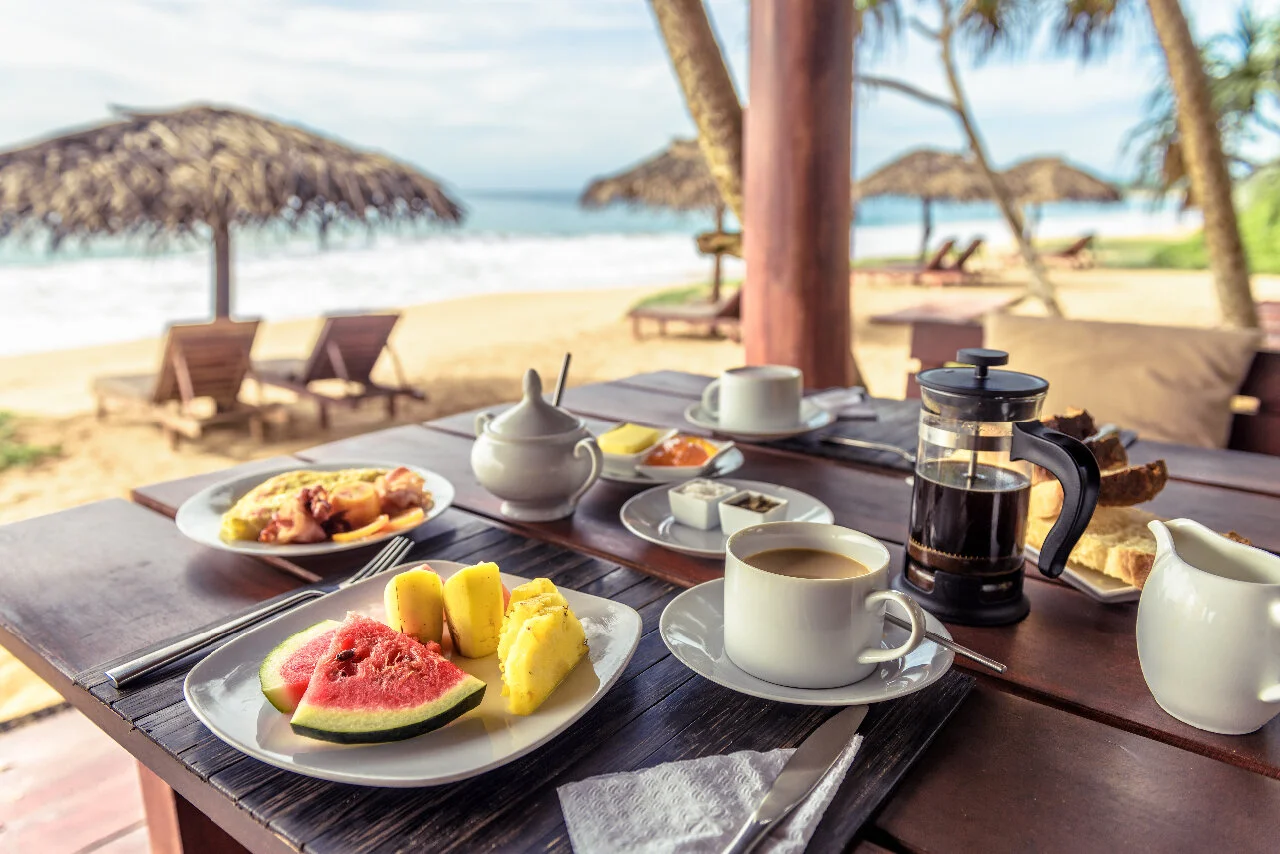
One of the most noticeable shifts reported in the travel and hospitality sector is how people approach dining. GLP-1 medications can reduce appetite, which often leads users to eat smaller portions or skip meals altogether.
For travellers, this can mean less focus on structured dining schedules and fewer traditional “food centred” itineraries. Activities that once revolved around long lunches, tasting menus or multiple-course dinners are being approached differently, with some travellers preferring lighter meals or more flexible dining options.
Restaurants in many destinations are also adapting by offering smaller plates, mocktail selections, and higher protein menu items. These changes align with broader wellness and lifestyle trends that predate GLP-1 medications but appear to be gaining momentum alongside them.
At the same time, there is evidence that while overall food consumption may decrease for some users, interest in higher quality or more premium food experiences can remain. Rather than frequent dining, some travellers are choosing fewer but more memorable meals.
Shifts in alcohol consumption and social experiences

Another reported change relates to alcohol consumption. Some individuals using GLP-1 medications report reduced interest in alcohol or changes in how it feels or tastes. As a result, demand for non-alcoholic beverages, including mocktails and alcohol-free pairings, has increased in many hospitality settings.
This shift is also influencing the design of hotel bars and lounges, which have traditionally been central social spaces in resorts and city hotels. Many properties are expanding their non-alcoholic offerings to reflect changing guest preferences more broadly, not only those related to medication use.
Impact on hotels and travel experiences
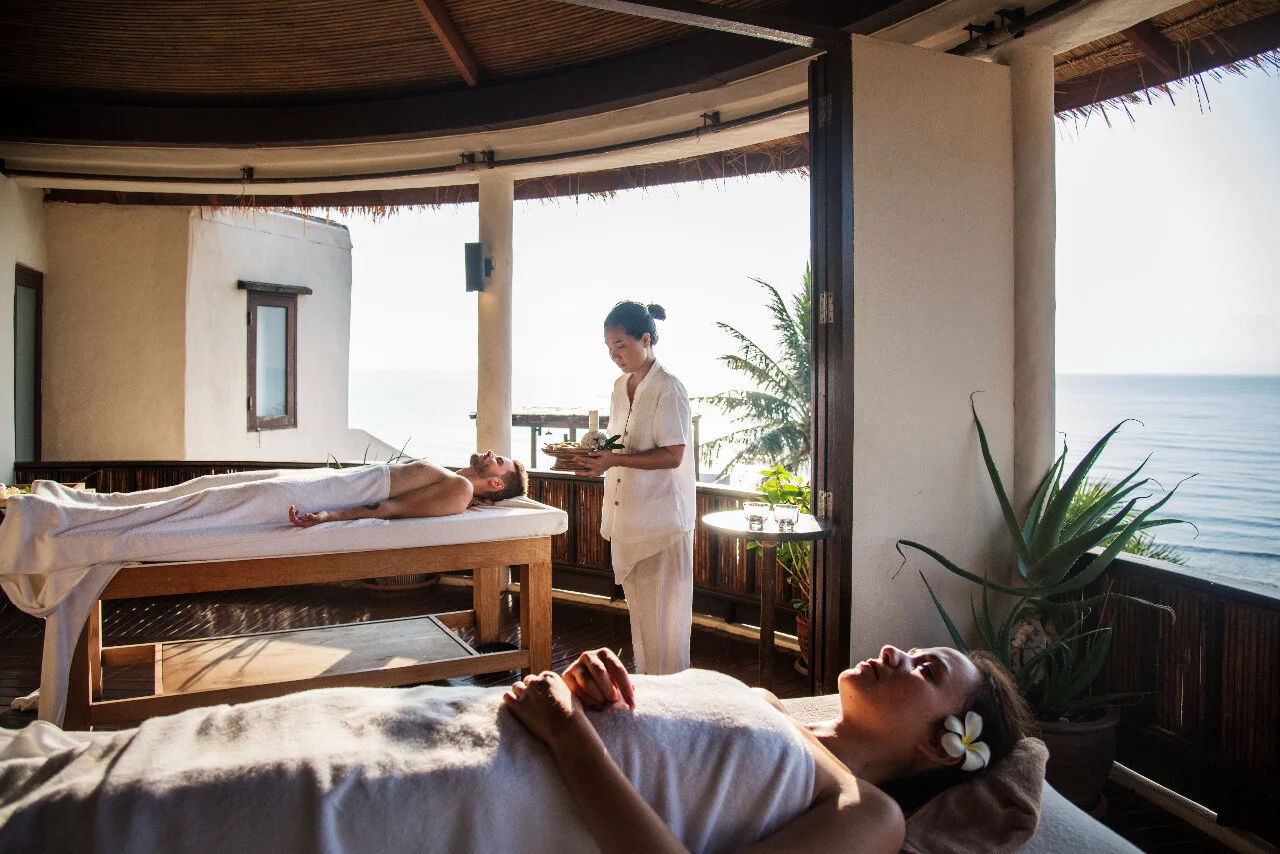
Hotels and resorts are adjusting in different ways to evolving guest habits. While food and beverage programming remains important, there is growing emphasis on wellness focused amenities such as fitness facilities, spa services, and personalised guest experiences.
Some travellers are also showing increased interest in privacy oriented services, such as private shopping appointments in major fashion destinations or tailored experiences that are less centred on group dining or social drinking.
These shifts are not solely driven by GLP-1 medications, but industry observers note that they align with broader changes in consumer behaviour, where health, wellness and personalisation are becoming more central to travel decisions.
Wellness travel and medically oriented retreats

Wellness focused travel has been influenced by the rise of GLP-1 therapies as well. Some wellness centres and retreats have observed changes in guest patterns, with certain travellers opting for medical weight management approaches while others continue to seek structured wellness programmes.
In response, some medically oriented wellness centres have begun to adapt their programming. This includes greater emphasis on nutrition planning, strength focused fitness routines, and support for guests who may be using prescription weight management therapies alongside lifestyle changes.
Health professionals in this space often emphasise that sustainable weight management is typically supported by a combination of medical treatment, nutrition, physical activity and behavioural change, rather than a single approach.
As a result, wellness travel is increasingly positioned as part of a broader health journey rather than a standalone solution.
What this means for travellers
For travellers, the most noticeable impact of GLP-1 medications is likely to be greater flexibility in how holidays are experienced. Meals may become less structured, dining choices may shift toward quality over quantity, and wellness facilities may play a larger role in trip planning.
However, the core of travel remains unchanged. Destinations, experiences and cultural exploration continue to be central. What is evolving is how individual travellers choose to engage with food, drink and wellness while away.
As these medications become more widely used, the travel industry is expected to continue adapting in practical ways, particularly in dining, beverage offerings and wellness services.
For travellers working with Northstar Travel & Associates, these trends simply add another layer of personalisation to consider when designing a holiday, ensuring that itineraries reflect comfort, enjoyment and individual lifestyle preferences.