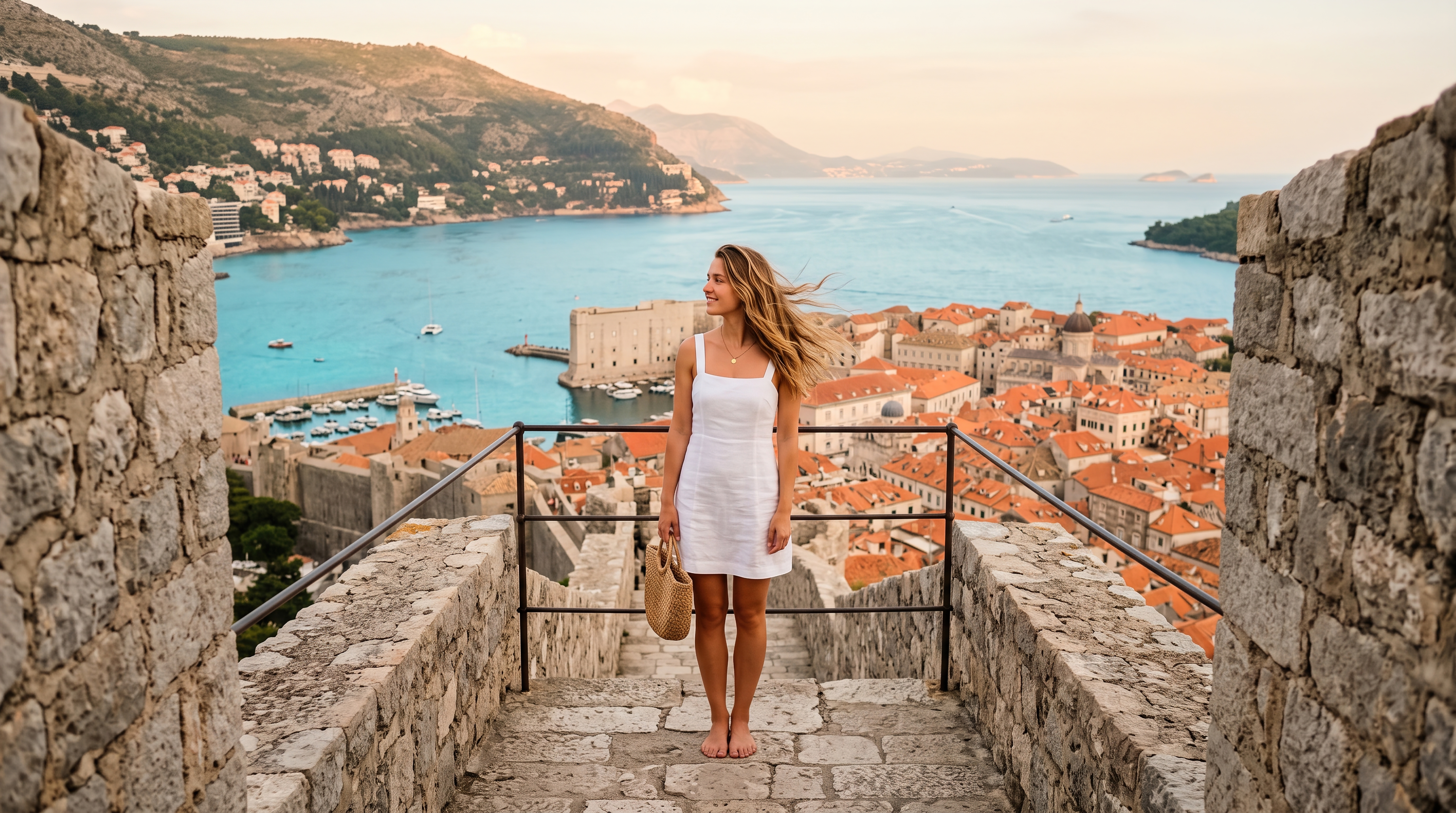
Croatia: The Adriatic’s Hottest Destination for Your Next European Escape
From iconic walled cities and turquoise waters to charming island villages and countryside discoveries, Croatia offers a fresh take on the European holiday.
Imagine strolling through centuries-old cobblestone streets, swimming in crystal-clear Adriatic waters, savouring fresh seafood beside a picturesque harbour and watching the sun set over terracotta rooftops. Welcome to Croatia, one of Europe’s most captivating destinations for travellers seeking a combination of history, natural beauty, island escapes and unforgettable experiences.
Stretching along the sparkling Adriatic Sea, Croatia brings together the best of Mediterranean living with a fascinating mix of Roman ruins, medieval towns, national parks, vineyards and more than a thousand islands and islets. While destinations such as Dubrovnik and Split have become international favourites, the real magic often lies in venturing beyond the familiar and discovering the quieter corners of this beautiful country.
Whether you are planning a first European adventure, a romantic getaway, a sailing holiday or a journey filled with food, culture and history, Croatia deserves a place on your travel wish list.
The Must-See Cities: History, Culture and Coastal Charm
Dubrovnik: The Pearl of the Adriatic
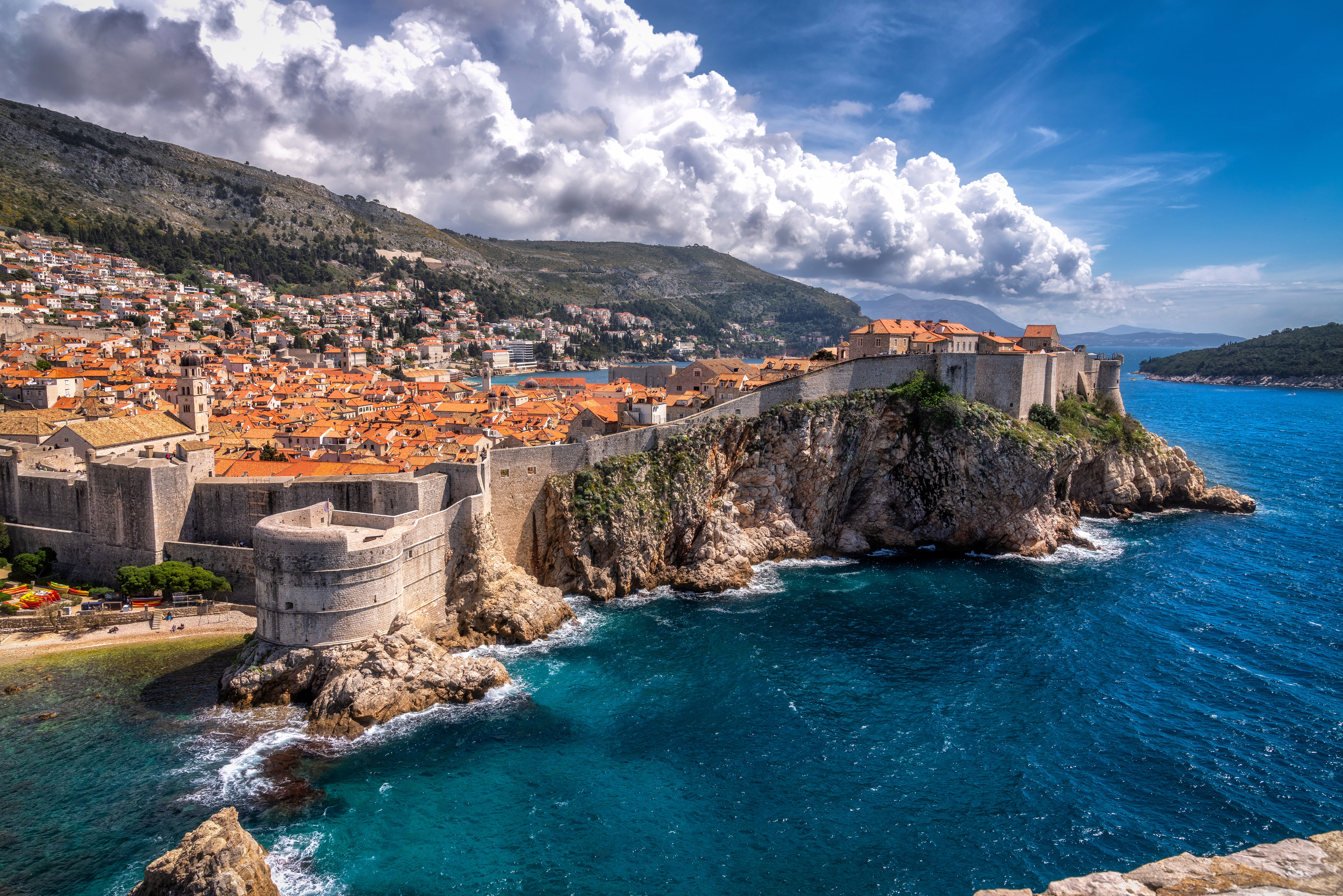
No visit to Croatia would be complete without experiencing Dubrovnik. Encircled by impressive medieval stone walls and overlooking the deep blue Adriatic, its Old Town feels like stepping into another era. Walk along the famous city walls for spectacular views of the terracotta rooftops and coastline, explore the narrow limestone streets and discover historic churches, monasteries and lively outdoor cafés.
Fans of Game of Thrones may recognize several filming locations throughout the city. For a different perspective, take the cable car up Mount Srđ to enjoy sweeping views across Dubrovnik and its surrounding islands.
For a quieter experience, arrive early in the morning before the streets fill with visitors, or explore the nearby Elafiti Islands on a boat excursion.
Split: Where Ancient Rome Meets Modern Mediterranean Life
Split offers a remarkable blend of ancient history and contemporary coastal living. At its heart is Diocletian’s Palace, a vast Roman complex dating to the fourth century that has evolved into a living neighbourhood filled with shops, restaurants, cafés and homes.
Wander through the atmospheric old lanes, visit the Cathedral of Saint Domnius and enjoy a leisurely stroll along the Riva waterfront promenade. When you are ready for a break, head to Marjan Hill for walking trails, pine forests and beautiful views over the city and harbour.
Split is also an excellent gateway to the Dalmatian islands, making it an ideal starting point for island-hopping adventures.
Zagreb: Croatia’s Charming Capital
Away from the coast, Croatia’s capital offers a different perspective on the country. Zagreb combines elegant Austro-Hungarian architecture with a relaxed café culture, colourful markets and a lively arts scene.
Explore the historic Upper Town, visit St. Mark’s Church with its distinctive patterned roof and browse the stalls at Dolac Market, where local producers sell seasonal fruit, vegetables and regional specialties. The city’s museums, galleries and independent cafés make it an appealing stop for travellers looking to experience Croatia beyond its beaches.
Zadar: Spectacular Sunsets and Creative Coastal Attractions
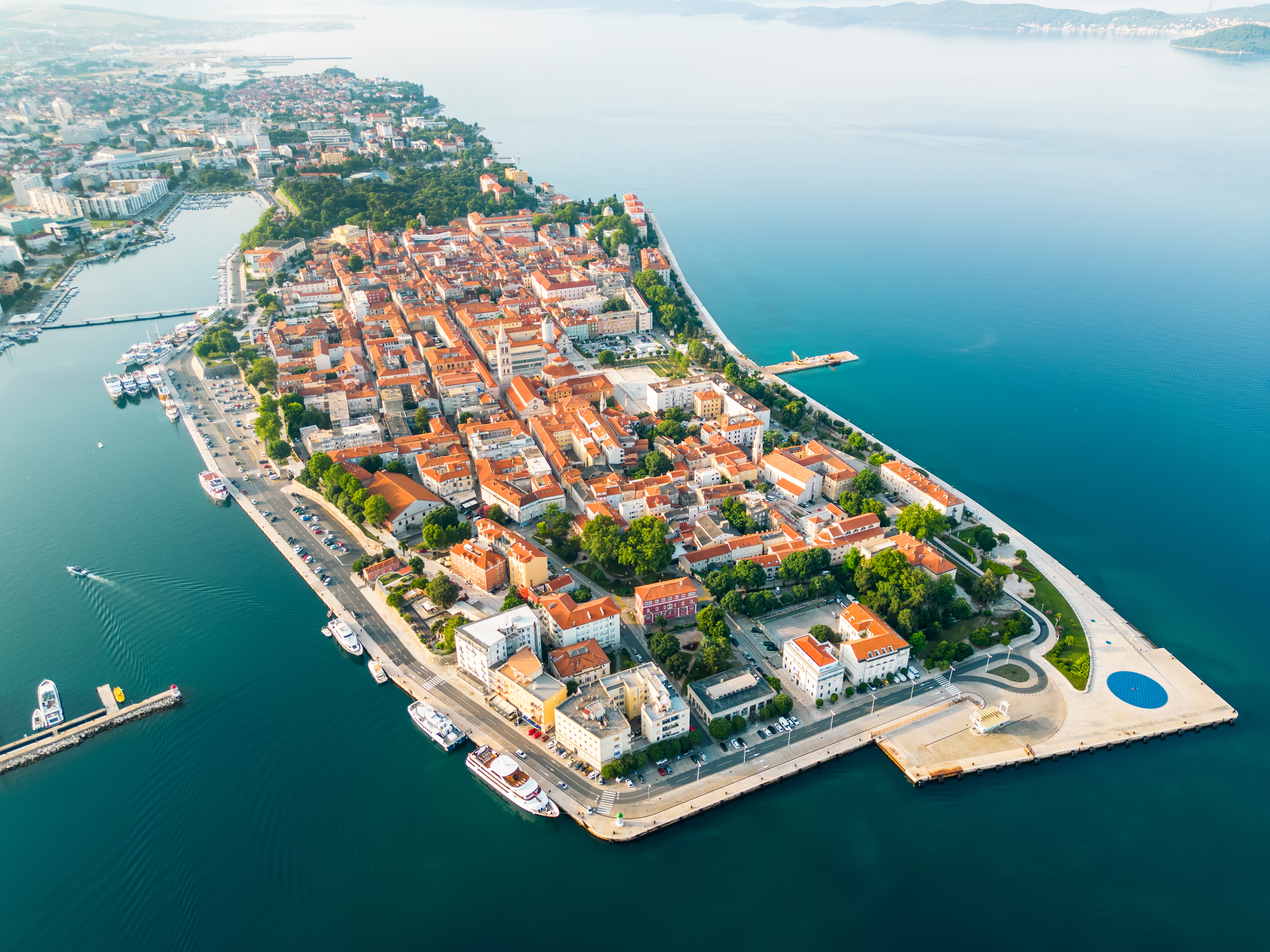
On the northern Dalmatian coast, Zadar combines ancient Roman remains with a contemporary artistic spirit. Its waterfront is home to the Sea Organ, an ingenious installation that uses the movement of the waves to create haunting musical sounds, and the nearby Greeting to the Sun, a circular installation that produces a colourful light display after dark.
Explore the historic peninsula, enjoy a seafood lunch and stay for sunset over the Adriatic. Zadar is also a convenient base for exploring nearby islands and national parks.
Natural Wonders You Won’t Want to Miss
Plitvice Lakes National Park: A Waterfall Wonderland
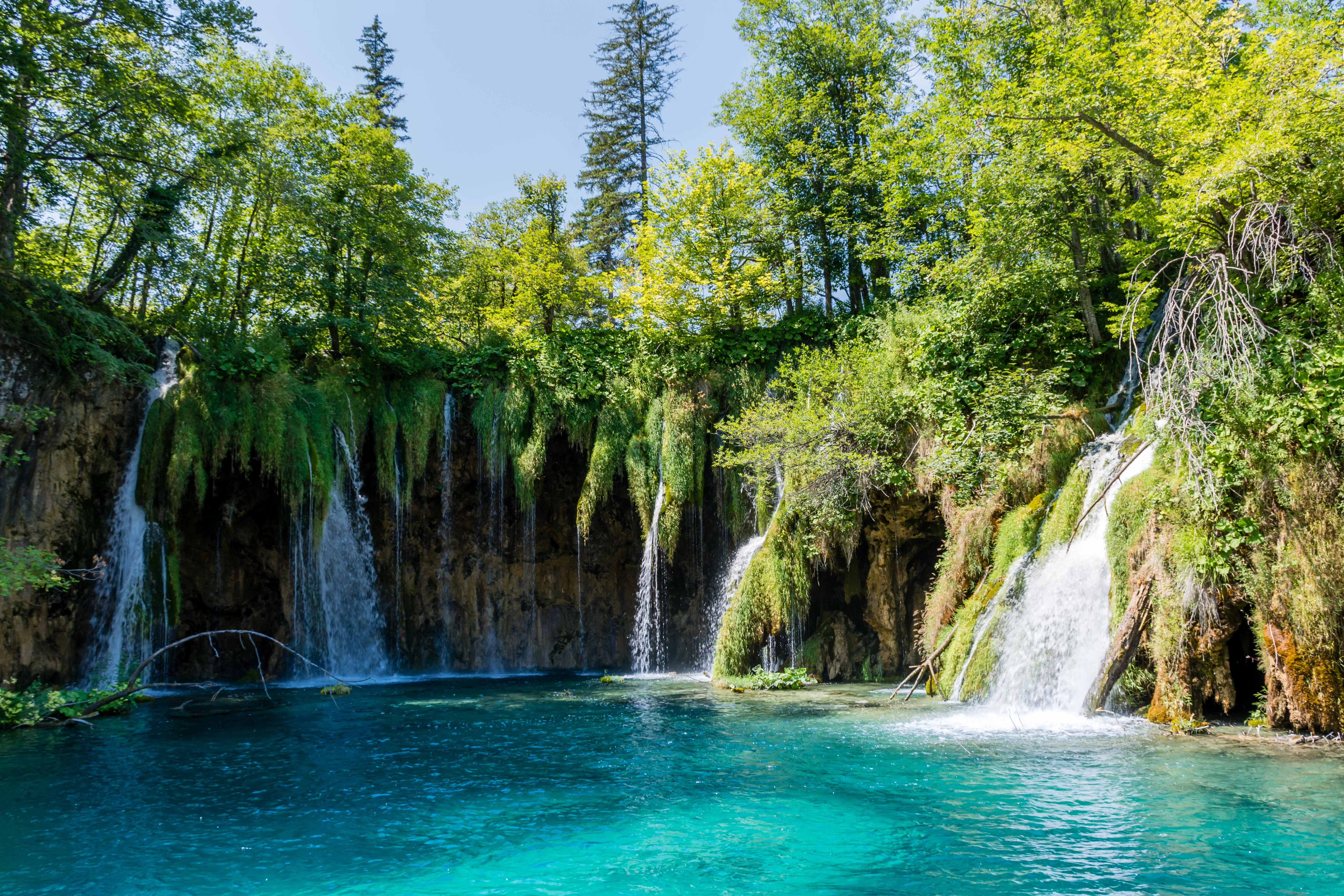
One of Croatia’s most spectacular natural attractions, Plitvice Lakes National Park is famous for its series of turquoise lakes connected by cascading waterfalls. Wooden walkways and forest trails lead visitors through an extraordinary landscape of clear water, lush greenery and dramatic limestone formations.
Allow a full day to explore the park at a comfortable pace. Spring and autumn can be especially rewarding for travellers hoping to enjoy the scenery outside the busiest summer period. Access and walking routes vary by season, so check conditions before visiting.
Krka National Park: Nature at Its Most Beautiful
Closer to the coast, Krka National Park is known for its river landscapes, waterfalls and peaceful natural surroundings. Boat excursions, walking trails and scenic viewpoints offer different ways to appreciate the park.
For a memorable addition, visit the tiny island of Visovac, home to a historic Franciscan monastery set amid the waters of the Krka River. It is a beautiful reminder that some of Croatia’s most compelling sights are found beyond its famous coastal cities.
Island Escapes: Discover Croatia by Sea
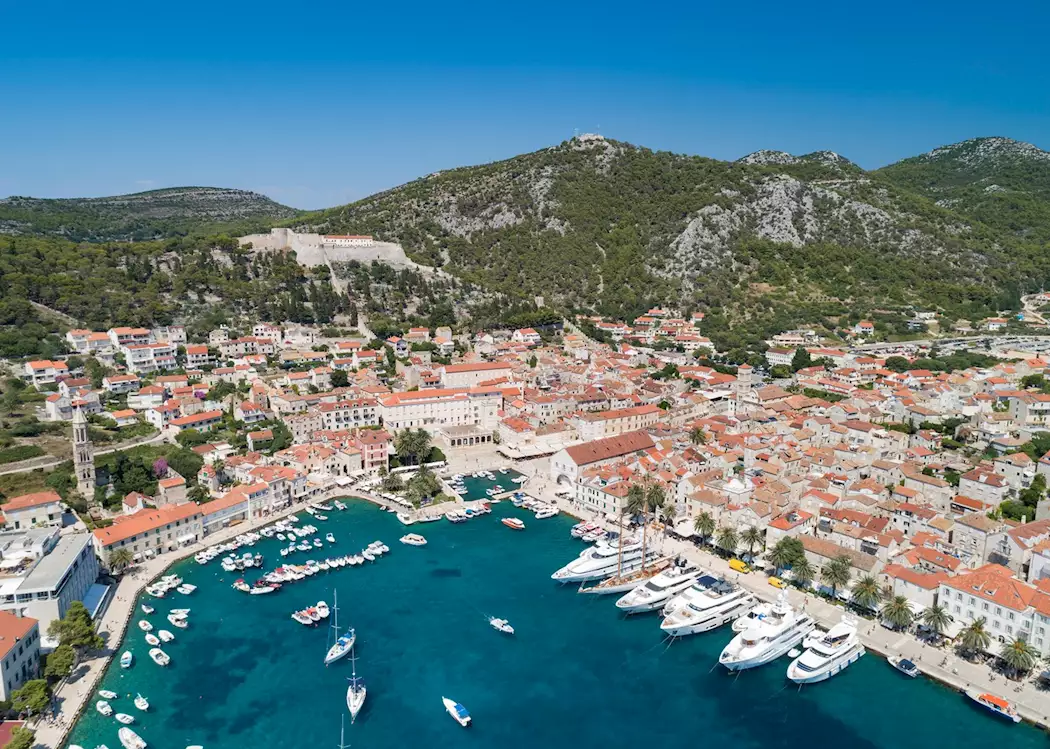
Croatia’s islands are a major part of its appeal, offering everything from glamorous harbours and lively nightlife to secluded coves and traditional fishing villages.
Hvar: Chic Harbours and Lavender-Scented Countryside
Hvar is known for its elegant waterfront, historic architecture, beach clubs and vibrant summer atmosphere. Beyond Hvar Town, however, the island reveals a quieter side, with stone villages, olive groves, vineyards and scenic countryside.
Explore Stari Grad, one of the island’s oldest settlements, sample locally produced wines and enjoy a leisurely lunch overlooking the sea.
Korčula: Medieval Streets and Local Flavours
Often associated with Marco Polo, Korčula is a wonderful choice for travellers who enjoy history, architecture and authentic island life. Its atmospheric Old Town features narrow stone lanes, historic buildings and inviting waterfront restaurants.
Spend time exploring the local wine scene, tasting regional dishes and enjoying the relaxed rhythm of an island where evenings are best spent over a long dinner.
Vis: A Slower Pace of Island Life
For travellers looking to escape the crowds, Vis offers a more laid-back alternative to some of Croatia’s better-known islands. Once a military base closed to foreign visitors for decades, it has retained a distinctive character, with quiet villages, traditional konobas (family-run taverns), vineyards and beautiful bays.
Take a boat trip to the famous Blue Cave on nearby Biševo, explore the fishing village of Komiža or simply find a peaceful waterfront table and enjoy freshly caught seafood.
Off the Beaten Path: Croatia’s Best-Kept Secrets
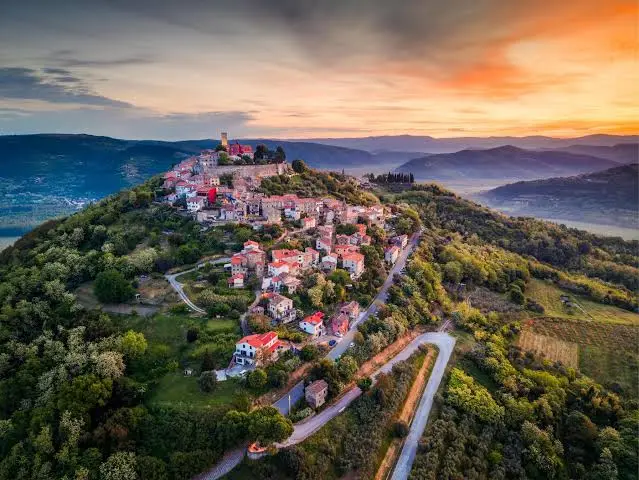
The best way to discover Croatia is to leave room in the itinerary for places that may not appear on every traveller’s must-see list. These destinations offer a more intimate connection with local culture, landscapes and traditions.
Rovinj and the Hilltop Villages of Istria
On Croatia’s northern Adriatic coast, the Istrian Peninsula offers a distinctive blend of Mediterranean scenery and Italian-influenced culture. Rovinj is a beautiful harbour town, with pastel-coloured buildings, narrow winding streets and fishing boats bobbing in the marina.
Venture inland to discover Motovun and Grožnjan, medieval hilltop towns surrounded by rolling countryside. Browse local art galleries, enjoy panoramic views and settle in for a meal featuring Istrian truffles, handmade pasta, olive oil and regional wines.
This is Croatia for food lovers, slow travellers and anyone who enjoys discovering charming villages away from the busiest coastal resorts.
Šibenik: A Historic Coastal Gem
Often overlooked in favour of Split and Dubrovnik, Šibenik rewards visitors with a beautiful old town, winding stone streets and an impressive waterfront setting. Its Cathedral of St. James, a remarkable Renaissance building, is recognized as a UNESCO World Heritage Site.
Use Šibenik as a base for exploring the surrounding islands and Krka National Park, or simply spend an afternoon enjoying the local cafés and restaurants. It offers much of the atmosphere travellers seek along the Dalmatian coast, with a different pace and personality.
Prvić Island: A Step Back in Time
A short boat journey from Šibenik takes you to Prvić, a small, car-free island where traditional stone houses, quiet lanes and sheltered swimming spots create a wonderfully peaceful atmosphere.
Wander between the villages of Prvić Luka and Prvić Šepurine, enjoy a leisurely lunch and learn about inventor Faust Vrančić, whose life and work are commemorated on the island. Here, the pleasures are simple: a swim in the Adriatic, a conversation with a local resident and an afternoon without a packed sightseeing schedule.
The Cetina River Canyon: Adventure Beyond the Coast
For a different kind of Croatian adventure, head inland from the coastal town of Omiš to the dramatic Cetina River Canyon. Surrounded by rugged cliffs and lush landscapes, the area offers opportunities for rafting, kayaking, hiking and scenic excursions.
It is an excellent choice for active travellers who want to balance historic cities and beach time with an outdoor experience. The nearby Dalmatian hinterland also provides opportunities to discover traditional villages and regional dishes that are less familiar to international visitors.
Krapanj: Croatia’s Tiny Island of Tradition
Just a short boat ride from the mainland near Šibenik, Krapanj is a small, low-lying island known for its centuries-old sponge-diving tradition. Stone houses, narrow lanes and a relaxed village atmosphere make it an appealing stop for travellers interested in local heritage.
Visit the Franciscan monastery and its museum, learn about the island’s maritime history and enjoy a meal at a local tavern. It is a reminder that some of Croatia’s most memorable experiences can be found in places that take only a short time to reach but invite you to slow down.
Taste Croatia: A Destination for Food and Wine Lovers
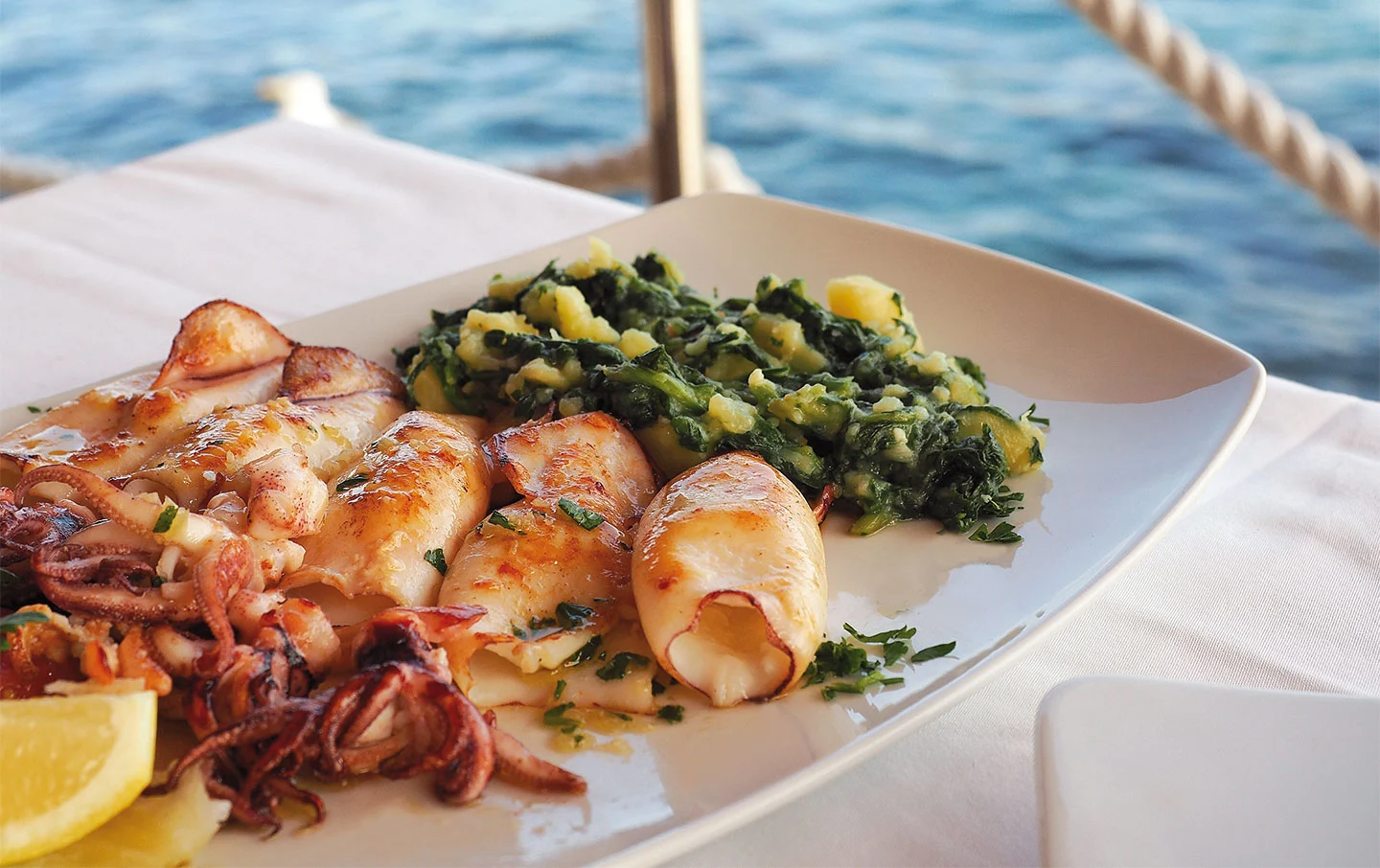
Croatian cuisine reflects the country’s varied geography and history. Along the coast, expect freshly grilled fish, seafood risotto, octopus salad, local olive oil and seasonal vegetables. Inland, hearty stews, roasted meats, handmade pasta and traditional pastries offer a different taste of the country.
In Istria, look for truffle dishes and distinctive regional wines. In Dalmatia, sample local specialties prepared ispod peke—slow-cooked beneath a bell-shaped lid over hot embers. On the islands, seek out family-run taverns serving the day’s catch alongside locally produced wine.
Food is more than a highlight of a Croatian holiday; it is a way to connect with the country’s traditions, landscapes and people.
When Is the Best Time to Visit?
Late spring and early autumn are excellent choices for travellers who want pleasant sightseeing weather and the opportunity to explore coastal towns with fewer peak-season crowds. May, June and September are particularly appealing for combining city visits, island excursions and outdoor activities.
July and August bring the liveliest beach atmosphere and warm summer weather, but popular destinations can be busy and accommodation demand is high. Inland attractions and smaller coastal towns may offer a welcome change of pace.
For the best experience, consider combining the highlights with a few nights in a lesser-known town or on a quieter island.
Make Croatia Your Next European Adventure
Croatia offers far more than beautiful beaches and postcard-perfect old towns. It is a destination where Roman history meets modern Mediterranean living, where island-hopping leads to unexpected discoveries and where a memorable meal can be as important as a famous landmark.
Explore Dubrovnik’s historic walls, discover Split’s ancient palace, wander through Istria’s hilltop villages or spend a few peaceful days on a small Adriatic island. Each experience reveals a different side of this remarkable country.
The secret to experiencing Croatia is to see the highlights—but leave enough time to get lost along the way. Those unexpected discoveries may become the most memorable moments of your trip.


